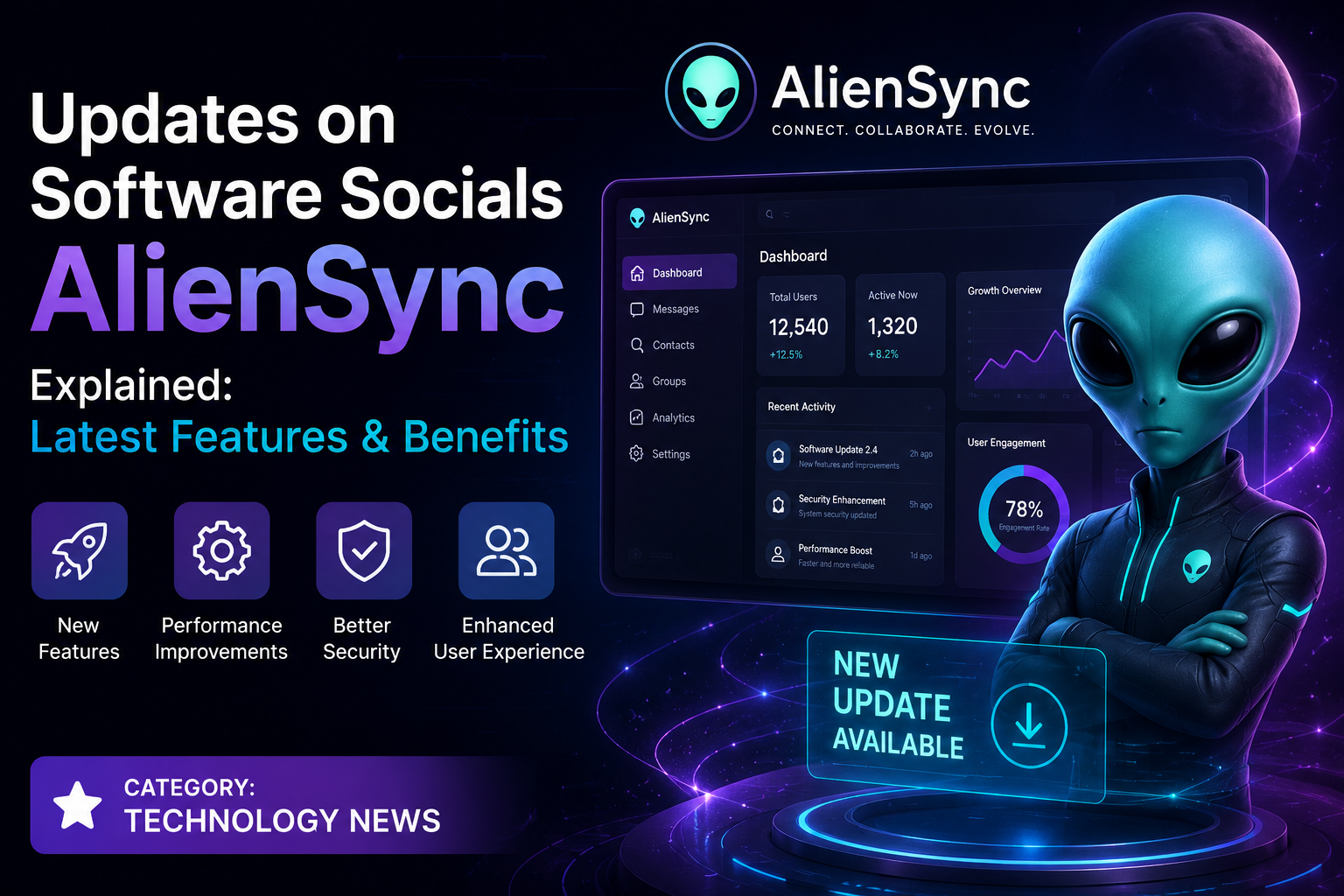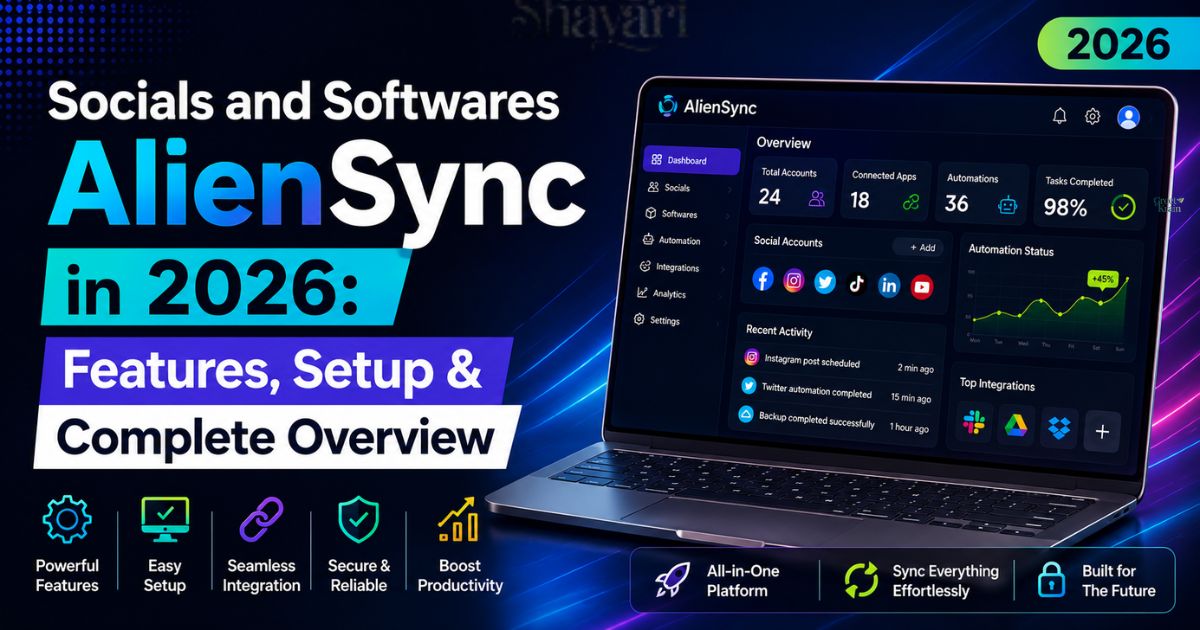
The digital world evolves at an incredible pace, and every few months a new platform, feature, or technology captures public attention. Recently, Apps and Socials AlienSync has become a topic of growing discussion across technology communities, social media platforms, and digital forums. Whether people are searching for updates, exploring its features, or trying to understand its purpose, interest continues to rise as more conversations appear online.
This increasing curiosity reflects a broader shift in how users expect apps to work together. People no longer want isolated applications. Instead, they want connected experiences that allow messaging, content sharing, notifications, productivity, and entertainment to flow seamlessly across multiple platforms. Against this backdrop, Apps and Socials AlienSync has emerged as a keyword attracting attention from technology enthusiasts, content creators, businesses, and everyday users who want to stay ahead of digital trends.
Table of Contents
What Is Apps and Socials AlienSync?
Apps and Socials AlienSync refers to a concept associated with improving the way applications and social platforms interact with each other. Rather than functioning as completely separate services, connected ecosystems allow users to synchronize information, manage multiple platforms efficiently, and reduce unnecessary switching between applications.
Although discussions surrounding AlienSync continue to evolve, the growing interest demonstrates how strongly people value integration. Modern consumers often use several messaging apps, social networks, collaboration platforms, and cloud services throughout the day. Technologies that simplify these interactions naturally receive significant attention.
The idea behind synchronization is not entirely new. Over the last decade, major technology companies have invested heavily in cloud computing, cross-platform compatibility, and AI-powered automation. AlienSync appears within this broader movement toward creating smoother digital experiences where information remains accessible regardless of device or platform.
Why Apps and Socials AlienSync Is Trending
Several factors explain why Apps and Socials AlienSync has become increasingly visible in online searches and technology discussions.
First, users continue demanding better productivity. Managing multiple social accounts, messaging platforms, calendars, and applications can become overwhelming. Integrated solutions promise to reduce repetitive tasks while improving efficiency.
Second, businesses increasingly rely on digital collaboration. Marketing teams, customer service representatives, influencers, and creators often operate across numerous social platforms simultaneously. Any technology that simplifies these workflows naturally attracts attention.
Another reason involves artificial intelligence. AI now powers recommendation systems, automated content organization, intelligent notifications, scheduling assistants, and personalized experiences. As AI becomes more deeply integrated into software ecosystems, synchronization technologies receive renewed interest because they help connect different services more effectively.
Growing online discussions have also contributed to the popularity of the keyword. Search interest often increases whenever technology communities begin sharing screenshots, tutorials, feature discussions, or speculative updates surrounding emerging platforms.
The Growing Importance of Connected Digital Ecosystems
Modern users rarely depend on a single application. A typical smartphone owner may regularly use messaging apps, email platforms, cloud storage services, productivity tools, streaming applications, online shopping platforms, banking apps, and several social networks every day.
Without synchronization, users must manually update information across multiple services. This wastes time and increases the likelihood of inconsistent data.
Connected ecosystems solve these challenges by creating smoother communication between applications. Calendar updates can automatically appear across devices, files remain accessible regardless of hardware, and notifications become more organized instead of overwhelming users.
Industry analysts have consistently highlighted interoperability as one of the most important priorities for software developers. Rather than creating isolated products, companies increasingly focus on ecosystems that encourage long-term engagement while improving customer satisfaction.
Key Features Associated with Apps and Socials AlienSync
Interest surrounding Apps and Socials AlienSync largely comes from its association with modern synchronization capabilities. Although implementations may vary depending on software environments, several commonly discussed features represent the broader trend.
One major feature involves centralized account management. Users increasingly prefer dashboards that simplify switching between multiple accounts without constantly signing in and out of different platforms.
Another important capability is cloud synchronization. Keeping preferences, conversations, media files, and settings consistent across devices creates a smoother user experience and reduces unnecessary duplication.
Automation also plays a significant role. Intelligent scheduling, notification management, content organization, and workflow optimization help users save valuable time throughout their daily routines.
Security improvements represent another area of interest. Synchronization platforms often emphasize encrypted communication, secure authentication methods, and better account protection to reduce cybersecurity risks.
How Businesses Can Benefit
Businesses continue investing in technologies that improve collaboration and customer engagement. Apps and Socials AlienSync reflects several priorities already shaping the digital economy.
Marketing professionals frequently manage campaigns across multiple social networks. Centralized management reduces repetitive work while allowing teams to monitor performance more efficiently.
Customer support departments also benefit from integrated communication systems. Rather than checking separate inboxes for every platform, unified workflows can improve response times while creating more consistent customer experiences.
Remote work has accelerated demand for synchronization technologies as distributed teams rely on cloud-based collaboration every day. Shared files, synchronized schedules, and connected communication tools help employees remain productive regardless of location.
Artificial Intelligence and Intelligent Synchronization
Artificial intelligence continues transforming nearly every aspect of modern software development. AI-powered synchronization offers opportunities far beyond traditional cloud storage.
Machine learning algorithms can prioritize important notifications while filtering less relevant updates. Personalized recommendations may become increasingly accurate as connected systems better understand user preferences across multiple platforms.
Predictive automation also represents an exciting development. Instead of waiting for manual input, intelligent systems may automatically organize content, suggest workflows, schedule tasks, or recommend the most appropriate communication channel based on previous behavior.
Natural language processing further improves user experiences by enabling smarter search functions, voice commands, automated summaries, and contextual assistance throughout connected applications.
Security and Privacy Considerations
Every synchronization technology must address security concerns. As users connect multiple applications together, protecting personal information becomes even more important.
Strong authentication methods remain essential. Multi-factor authentication, encrypted communication, secure cloud infrastructure, and continuous monitoring all contribute to protecting sensitive information from unauthorized access.
Privacy regulations have also become increasingly important worldwide. Responsible software developers continue improving transparency regarding data collection, storage practices, and user consent.
Users should also practice good cybersecurity habits. Regular software updates, unique passwords, and cautious permission management significantly reduce potential security risks regardless of which applications they use.
Market Trends Shaping the Future
The software industry continues moving toward greater integration. Analysts consistently identify interoperability, cloud computing, artificial intelligence, and workflow automation among the strongest technology trends.
Consumers increasingly expect seamless transitions between smartphones, tablets, laptops, smart televisions, wearable devices, and connected home technology. Future synchronization platforms will likely focus on making these transitions nearly invisible.
Developers are also investing in open APIs that encourage compatibility between services. Greater collaboration between software ecosystems benefits businesses while improving user experiences.
Subscription-based cloud services continue expanding as organizations recognize the long-term value of synchronized digital environments that improve efficiency while reducing operational complexity.
Challenges Facing Synchronization Platforms
Despite growing demand, synchronization technologies still face several challenges.
Compatibility remains one of the biggest obstacles. Different platforms use unique architectures, security requirements, and development standards that can complicate integration efforts.
Privacy expectations continue rising as users become more aware of data protection issues. Companies must balance convenience with responsible information management while maintaining transparency.
Performance optimization also requires ongoing attention. Synchronizing large amounts of information across multiple devices demands reliable infrastructure capable of handling increasing workloads without sacrificing speed or stability.
What the Future Could Look Like
Looking ahead, connected digital ecosystems will likely become even more intelligent. AI assistants may automatically coordinate schedules, manage communications, recommend content, organize digital files, and personalize experiences across every connected application.
Wearable technology, augmented reality, and smart home devices will further increase demand for synchronized ecosystems capable of delivering consistent experiences regardless of hardware.
Businesses will continue prioritizing automation that improves productivity while reducing repetitive tasks. Consumers, meanwhile, will increasingly expect software that works together effortlessly instead of requiring constant manual management.
Although the specific evolution of Apps and Socials AlienSync remains closely tied to ongoing technology developments, the broader movement toward integrated digital experiences appears likely to accelerate over the coming years.
Key Takeaways
- Apps and Socials AlienSync reflects growing interest in connected digital ecosystems.
- Users increasingly expect seamless synchronization between multiple applications.
- Artificial intelligence is expanding automation and personalization opportunities.
- Businesses benefit from improved collaboration, workflow management, and customer communication.
- Security, privacy, and transparency remain essential priorities.
- Cloud computing and interoperability continue driving software innovation.
- Future synchronization technologies will likely become smarter, faster, and more predictive.
Frequently Asked Questions
What is Apps and Socials AlienSync?
Apps and Socials AlienSync is a technology topic associated with improving synchronization and integration between applications and social platforms to create more seamless digital experiences.
Why is Apps and Socials AlienSync trending?
Growing interest comes from increasing demand for connected software ecosystems, AI-powered automation, productivity improvements, and better cross-platform experiences.
Can businesses benefit from synchronization technologies?
Yes. Businesses can improve collaboration, streamline communication, manage multiple social platforms more efficiently, and increase productivity through integrated workflows.
Is data security important for synchronized applications?
Absolutely. Strong encryption, secure authentication, regular updates, and responsible privacy practices are essential for protecting connected digital environments.
How does AI improve synchronization?
Artificial intelligence enhances notification management, workflow automation, personalized recommendations, intelligent search, and predictive assistance across connected applications.
What industries benefit most from connected ecosystems?
Marketing, customer service, education, healthcare, finance, remote work, and digital content creation all benefit from improved synchronization between applications.
Conclusion
Apps and Socials AlienSync highlights an important direction in modern technology: creating connected digital experiences that reduce complexity while improving productivity. As software ecosystems become more intelligent through artificial intelligence, cloud computing, and automation, users can expect smoother communication between applications and more personalized digital environments.
Whether you are a business professional, technology enthusiast, or everyday user, understanding emerging synchronization trends can help you prepare for the next generation of digital experiences. Stay informed, explore new developments responsibly, and continue following trusted technology news to see how connected platforms evolve in the years ahead.
You Mey Olso Read
Updates on Software Socials AlienSync: 7 Latest Features & Benefits Explained