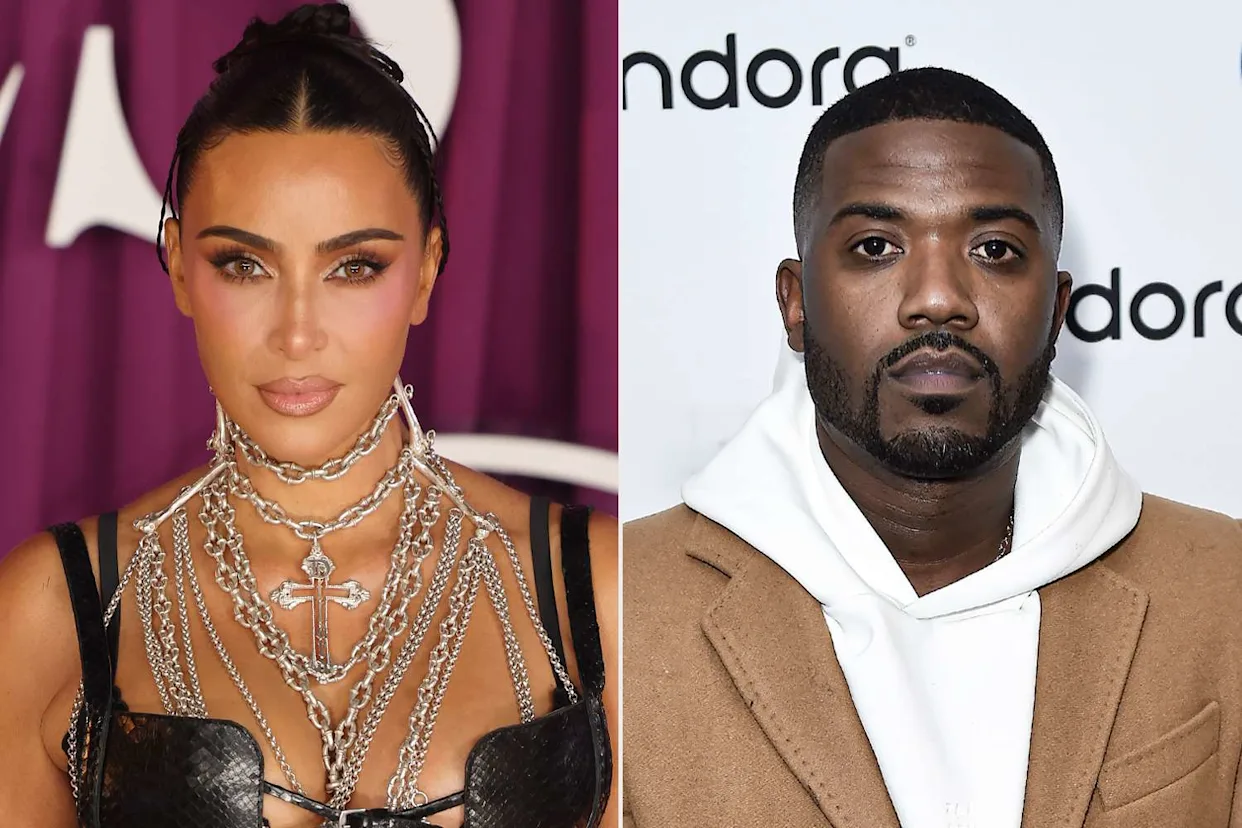
The internet moves fast, but few celebrity stories explode quite like the recent Kim Kardashian AI photo controversy. What started as a seemingly polished social media upload quickly turned into a wildfire discussion about artificial intelligence, fake imagery, celebrity branding, and digital trust. Within hours, fans, critics, and tech experts were dissecting every detail of the viral image that sparked millions of reactions across platforms.
For many followers, the moment felt bigger than celebrity gossip. It tapped into growing fears surrounding AI-generated content and how difficult it has become to separate reality from manipulation online. As screenshots spread rapidly and hashtags climbed trending charts in the United States, the Kim Kardashian AI photo controversy transformed into one of the most talked-about celebrity-tech moments of the year.
Table of Contents
Social Media Users Quickly Spotted Unusual Details
The viral discussion began after users noticed strange visual inconsistencies in a glamorous photo allegedly connected to Kim Kardashian. Sharp-eyed fans pointed out unusual hand positioning, distorted reflections, and background details that appeared digitally altered. Those observations immediately fueled speculation that artificial intelligence tools had been heavily used during the image creation process.
Online investigators on TikTok, X, and Reddit began comparing the photo with previous Kardashian uploads. Some claimed the image contained classic signs of AI-generated editing, while others argued it was simply aggressive retouching. The debate intensified because AI image technology has become incredibly realistic in recent months, making it harder for casual viewers to recognize synthetic visuals.
At the center of the Kim Kardashian AI photo controversy was a growing concern about authenticity in celebrity culture. Fans who once trusted polished Instagram content are now questioning whether many viral images are partially fabricated. This uncertainty helped push the story into mainstream entertainment headlines across the United States.
The conversation also revealed how quickly internet communities can crowdsource digital analysis. Thousands of users contributed screenshots, zoomed comparisons, and editing breakdowns within hours. That level of online engagement turned a single celebrity image into a broader cultural discussion about technology and influence.
Why The AI Debate Around Celebrities Is Growing Fast
Artificial intelligence tools are no longer limited to tech experts or professional studios. Everyday users can now generate hyper-realistic photos in seconds. Because celebrities operate in a visual-first environment, they are increasingly linked to AI editing discussions, whether intentionally or accidentally.
The Kim Kardashian AI photo controversy arrived during a time when public trust in digital media is already fragile. Deepfake videos, AI-generated influencers, and synthetic fashion campaigns have blurred the line between reality and performance. As one of the world’s most recognizable public figures, Kim Kardashian naturally became the center of intense scrutiny once the photo gained attention.
Many media analysts believe celebrity brands face a difficult balancing act moving forward. Highly edited images can create viral engagement and maintain polished aesthetics, but audiences now expect more transparency. If followers suspect AI manipulation, backlash can spread instantly and damage credibility online.
At the same time, supporters argue that digital enhancement has existed in entertainment for decades. From Photoshop to advanced beauty filters, celebrity imagery has always involved editing. The difference now is that AI technology feels less controllable and more deceptive to many viewers, especially when realistic human features are artificially generated.
Fans Remain Divided Over The Viral Image
One reason the Kim Kardashian AI photo controversy became so massive is because audiences remain deeply divided. Some fans defended the reality star and argued the outrage was exaggerated. They claimed social media users were overanalyzing harmless edits simply because AI discussions are currently trending online.
Others believed the controversy represented a larger issue within influencer culture. Critics argued that heavily manipulated visuals create unrealistic beauty expectations for younger audiences. They also warned that widespread AI editing could further distort perceptions of body image, fashion, and luxury lifestyles across social platforms.
The split reaction kept engagement levels extremely high. Viral posts discussing the image generated millions of views, while reaction videos flooded TikTok feeds throughout the weekend. Several creators even produced tutorials showing how easily similar AI-generated celebrity photos could be made using public tools.
Marketing experts say controversy often increases online visibility for major celebrities. Even negative debates can drive attention, clicks, and algorithmic reach. In this case, the Kim Kardashian AI photo controversy dominated entertainment conversations because it combined celebrity fame, internet mystery, and fear surrounding emerging technology.
Tech Experts Warn About A Dangerous Digital Future
Beyond celebrity gossip, technology analysts used the controversy to highlight serious concerns about the future of online content. Experts warn that AI-generated visuals are improving faster than most users realize. In many cases, fake images can now appear nearly identical to authentic photographs.
Several digital ethics researchers explained that public trust may continue declining if platforms fail to improve transparency standards. Watermarks, AI labels, and stricter disclosure rules are now being discussed more aggressively after incidents like the Kim Kardashian AI photo controversy gained mainstream traction.
Some analysts believe future elections, advertising campaigns, and entertainment industries could all face credibility problems because of synthetic media. If audiences stop trusting visual evidence entirely, misinformation may become harder to control. That possibility has alarmed lawmakers and social media watchdog groups across the United States.
The Kardashian incident also highlighted how rapidly AI conversations spread among younger users. Gen Z audiences are particularly active in identifying edited content online. Many teenagers and young adults now treat digital investigation almost like a competitive internet sport, carefully analyzing viral celebrity posts frame by frame.
Celebrity Branding Could Change Forever
The Kim Kardashian AI photo controversy may become a turning point for celebrity branding strategies online. Public figures increasingly rely on perfectly curated content to maintain relevance, but audiences now demand authenticity alongside glamour. That shift is forcing entertainment teams to rethink how heavily edited visuals are presented.
Public relations specialists say celebrities may soon include clearer disclaimers when AI tools are used during image creation. Fashion campaigns, magazine covers, and promotional shoots could face greater scrutiny if fans suspect digital manipulation. Transparency might become essential rather than optional in the influencer economy.
At the same time, AI technology also offers enormous creative opportunities. Brands can create futuristic visuals, virtual environments, and cinematic campaigns at lower costs than traditional production methods. For celebrities like Kim Kardashian, the temptation to experiment with advanced digital aesthetics will likely continue growing despite online backlash.
This creates a fascinating tension within pop culture. Audiences want innovation and visually stunning content, yet they also crave honesty and relatability. The Kim Kardashian AI photo controversy exposed how difficult it may become for celebrities to satisfy both expectations simultaneously.
The Story Became Bigger Than Kim Kardashian Herself
What made this controversy especially powerful was how quickly it expanded beyond a single celebrity. Discussions about AI ethics, misinformation, influencer culture, and digital manipulation suddenly became mainstream topics across entertainment media.
Television panels, podcast hosts, YouTube commentators, and online publications all joined the conversation. Many experts used the viral moment to educate audiences about how AI-generated content works. Others warned that society may not be fully prepared for the psychological impact of synthetic media becoming normal online behavior.
Trending hashtags connected to the Kim Kardashian AI photo controversy continued climbing because the story touched multiple industries at once. Technology, fashion, celebrity culture, beauty standards, and social media algorithms all collided within a single viral moment. That combination made the controversy impossible for online audiences to ignore.
Interestingly, some creators even praised the incident for increasing public awareness. Before this controversy, many casual social media users did not fully understand how advanced AI image generation had become. The viral debate forced millions of people to think more critically about what they see online every day.
What Happens Next In The AI Content Era
The entertainment industry is now entering a period where AI discussions will likely appear in almost every major celebrity cycle. Whether through fashion campaigns, promotional photos, or viral videos, audiences are becoming increasingly skilled at spotting potential digital manipulation.
The Kim Kardashian AI photo controversy may fade from trending charts eventually, but the larger conversation is only beginning. Platforms could introduce stronger AI detection tools, while celebrities may adopt more transparent editing practices to protect audience trust.
Industry insiders predict that future influencer contracts may even include AI disclosure policies. Brands do not want campaigns facing backlash because audiences feel deceived by synthetic visuals. As technology evolves, reputation management could become more important than visual perfection itself.
For now, the controversy serves as a powerful reminder of how quickly internet culture can transform a single image into a global debate. In an era dominated by algorithms and artificial intelligence, authenticity may become the most valuable currency online.
The digital world is changing faster than ever, and stories like the Kim Kardashian AI photo controversy prove that audiences are paying close attention. Whether you see the viral image as harmless creativity or a warning sign for the future, one thing is clear: the conversation around AI-generated content is far from over.
Stay tuned for more trending celebrity news, viral internet stories, and the latest updates shaping entertainment culture across the United States.