A silent shift is changing the internet faster than most publishers expected. Websites that once dominated Google rankings are suddenly watching traffic drop, while newer brands optimized for AI-powered search experiences are exploding overnight. Across the United States, media companies, bloggers, and online businesses are now racing to adapt to a new digital reality called AI search engine optimization.
The rise of AI-generated answers, conversational search engines, and smart discovery systems is transforming how people find information online. Instead of clicking through ten blue links, users are now getting direct answers from AI tools in seconds. That change is forcing marketers to rethink everything they know about SEO. For many businesses, AI search engine optimization is no longer optional. It is becoming the difference between growth and invisibility.
Table of Contents
Why AI Search Engine Optimization Is Suddenly Trending
The phrase AI search engine optimization has exploded in popularity during the past year as companies struggle to maintain visibility in AI-driven search platforms. Industry experts say the rapid adoption of conversational AI tools has accelerated a major transformation in digital marketing strategies across the United States.
Unlike traditional SEO, which mainly focused on keywords and backlinks, AI search engine optimization concentrates on helping content appear inside AI-generated summaries, answer engines, and recommendation systems. Search behavior is evolving quickly. Millions of users now rely on AI assistants for instant responses instead of browsing multiple websites. That shift is pushing brands to redesign their entire content strategy around AI discoverability.
Marketing agencies are also seeing a sharp increase in demand for AI-focused optimization services. Reports from digital analytics firms suggest that businesses investing in AI-friendly content structures are already experiencing stronger engagement rates. The trend is especially visible in industries like technology, finance, health, and entertainment, where competition for visibility is becoming more intense every month.
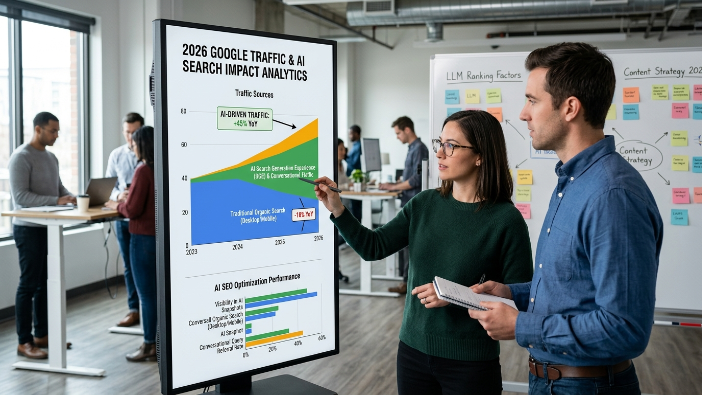
Another reason the topic is trending is the fear surrounding declining organic traffic. Several publishers have reported noticeable drops in click-through rates because AI summaries often answer questions before users even visit a webpage. As a result, brands are trying to understand how AI search engine optimization can help them remain relevant in an increasingly automated search ecosystem.
How AI-Powered Search Is Changing User Behavior
Search habits in the United States are evolving at a pace few analysts predicted. Instead of typing short keyword phrases, users are asking full conversational questions. AI tools then generate highly personalized responses based on intent, context, and behavior patterns. This change is reshaping how information is consumed online.
Consumers also expect faster and more accurate results. Studies from recent digital marketing surveys indicate that users prefer concise AI-generated summaries for quick answers. That means long-form articles now compete not only against other websites but also against AI-generated search experiences that deliver information instantly.
This transformation is influencing content creators in dramatic ways. Writers are beginning to focus more on semantic relevance, topical authority, and natural language structure rather than simple keyword density. Experts believe that AI search engine optimization works best when content directly addresses user intent with clarity and trustworthiness.
At the same time, mobile usage is accelerating the shift. Most AI-powered searches now happen on smartphones, where users want immediate answers without excessive scrolling. Because of that, publishers are redesigning content layouts to improve readability, engagement, and conversational flow for AI systems and human readers alike.
Google Discover and AI Search Are Becoming Closely Connected
One of the biggest discussions in digital publishing circles involves the growing relationship between Google Discover and AI search engine optimization. Discover feeds are increasingly driven by user interests, engagement signals, and AI-based personalization technologies.
Content creators targeting Google Discover are now focusing heavily on emotional storytelling, curiosity-driven headlines, and audience engagement patterns. AI systems analyze how users interact with articles, including reading time, bounce rates, and topic relevance. That data influences whether content continues to appear in Discover recommendations.
Publishers have noticed that articles optimized for AI search engine optimization often perform better in Discover feeds as well. The reason is simple. AI systems reward content that demonstrates expertise, freshness, and contextual depth. Stories with clear structures and engaging narratives tend to maintain visibility longer than generic SEO-focused posts.
Trending news topics also play a major role in Discover success. When publishers connect AI search engine optimization strategies with emerging trends, celebrity updates, technology launches, or breaking news, they increase the likelihood of gaining viral traffic. This strategy has become especially popular among U.S.-based entertainment and technology websites chasing rapid audience growth.
The New SEO Rules Brands Are Learning the Hard Way
Many businesses initially believed traditional SEO tactics would remain effective indefinitely. However, the rapid evolution of AI-driven search experiences is exposing weaknesses in outdated strategies. Websites overloaded with repetitive keywords, thin content, or low-value articles are struggling to maintain rankings.
Digital strategists now emphasize content quality above all else. AI systems can evaluate context, expertise, readability, and authority more effectively than older search algorithms. Because of this, AI search engine optimization requires publishers to create deeper and more valuable content experiences for users.
Another major shift involves topical authority. Instead of publishing random articles for quick traffic, brands are building interconnected content ecosystems around specific niches. Search engines increasingly favor websites that demonstrate consistent expertise within a subject area. This approach helps AI systems identify trustworthy sources for generated answers and recommendations.
User experience is also becoming critical. Faster loading times, mobile optimization, and structured content layouts directly impact AI visibility. Websites with confusing designs or excessive ads may struggle to earn visibility in AI-generated search results. Experts warn that ignoring these factors could become extremely costly for publishers during the next few years.
Businesses Are Investing Millions Into AI SEO Strategies
Large corporations and startup companies alike are pouring significant resources into AI search engine optimization initiatives. According to recent digital marketing estimates, spending on AI-driven SEO tools and consulting services has surged dramatically across the United States.
Technology companies are developing advanced platforms that analyze AI search trends, monitor conversational queries, and predict emerging content opportunities. These systems help marketers understand how AI engines interpret content and what factors influence recommendation algorithms.
The competitive pressure is especially intense in e-commerce and SaaS industries. Businesses want their products and services featured inside AI-generated recommendations before competitors gain an advantage. That demand has triggered a wave of innovation among SEO software providers offering AI-focused analytics and optimization solutions.
Small businesses are also entering the race despite limited budgets. Many entrepreneurs believe AI search engine optimization offers a rare opportunity to compete with larger brands if they can produce highly targeted and authoritative content. Analysts predict this democratization of visibility could reshape online competition during the next decade.
Experts Predict Massive Changes for Digital Publishing
Media analysts believe AI-powered search will permanently transform digital publishing models. Traditional traffic strategies built around search clicks are becoming less reliable as AI tools answer more questions directly within search interfaces.
Some experts predict publishers may shift toward community-driven content, subscriptions, and exclusive insights to reduce dependence on search traffic. Others believe AI search engine optimization will create entirely new opportunities for niche creators who understand how to align content with evolving AI systems.
Video content is expected to play a larger role as well. AI engines increasingly prioritize multimedia experiences that combine text, visuals, and engagement signals. Publishers who adapt quickly to these trends may gain a significant competitive advantage in the coming years.
Despite concerns about declining traffic, some marketers remain optimistic. They argue that AI search engine optimization can help high-quality publishers reach more targeted audiences than ever before. Instead of chasing massive traffic numbers, businesses may focus on attracting highly engaged users who are more likely to convert into loyal customers.
Why Content Authenticity Matters More Than Ever
As AI-generated content floods the internet, authenticity is becoming one of the most valuable ranking signals. Search platforms are increasingly rewarding original reporting, expert insights, and real-world experience over generic machine-written articles.
Readers are also becoming more selective about the information they trust. Websites that provide transparent sourcing, credible analysis, and emotionally engaging storytelling are more likely to stand out in crowded search environments. This trend is pushing publishers to prioritize quality journalism and human-centered narratives.
AI search engine optimization now involves more than technical adjustments. It requires understanding audience psychology, search intent, and storytelling techniques that keep users engaged. Brands that rely solely on automation risk blending into a sea of repetitive content that fails to build long-term loyalty.
Industry observers believe the next phase of search evolution will reward publishers capable of balancing AI efficiency with authentic human creativity. That combination may ultimately define which websites thrive in the new digital landscape.
The Future of AI Search Engine Optimization Looks Unstoppable
The momentum behind AI search engine optimization shows no signs of slowing down. As AI assistants become more integrated into everyday life, the competition for visibility inside smart search ecosystems will continue intensifying across every major industry.
Businesses that adapt early are likely to gain stronger authority, better engagement, and long-term audience loyalty. Meanwhile, companies ignoring the AI search revolution could struggle to maintain relevance as user behavior continues shifting toward conversational and AI-driven experiences.
For publishers, marketers, and entrepreneurs, the message is becoming impossible to ignore. The future of online visibility is no longer just about ranking on search engines. It is about becoming discoverable inside intelligent systems that shape how people consume information every single day.
If you want your brand to survive the next era of digital marketing, now is the time to invest in AI search engine optimization strategies that prioritize trust, authority, and real audience value before the competition moves ahead.