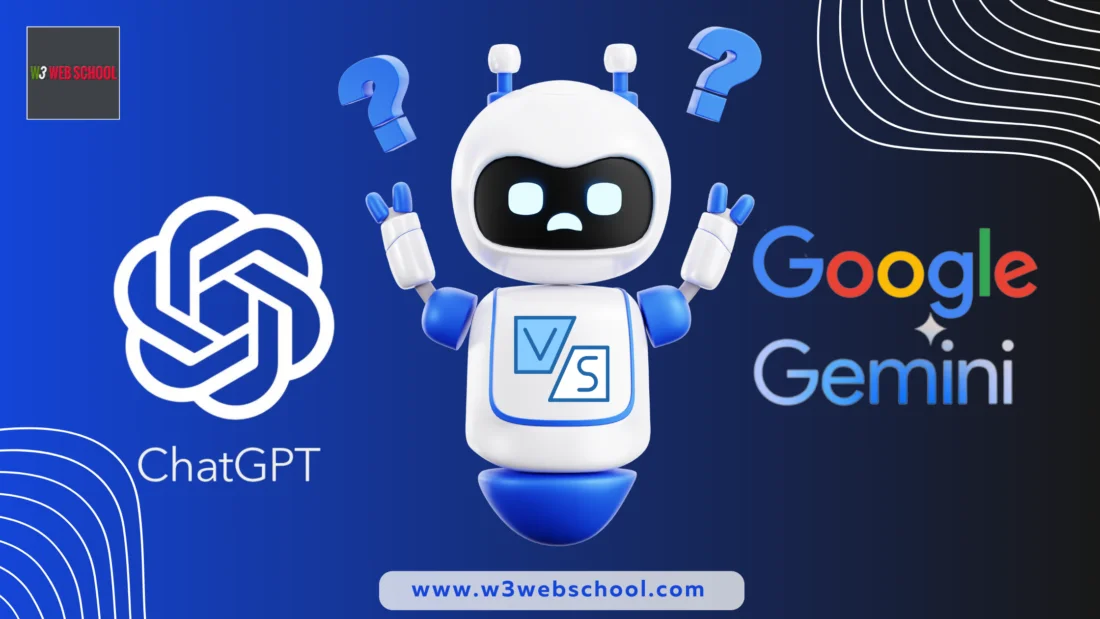
The artificial intelligence race just became impossible to ignore. From classrooms and offices to smartphones and search engines, millions of people are now comparing Google Gemini vs ChatGPT to decide which AI assistant truly delivers the smarter experience. What started as a tech competition between Silicon Valley giants has quickly evolved into a daily conversation among students, creators, businesses, and everyday users across the United States.
The excitement surrounding Google Gemini vs ChatGPT is growing because both platforms are changing how people search, write, work, and communicate online. Some users believe Google’s deep integration with Search gives Gemini a huge edge. Others argue that ChatGPT still feels more natural, creative, and reliable. As AI tools become part of normal life in 2026, this rivalry is shaping the future of the internet itself.
Table of Contents
Why Google Gemini vs ChatGPT Is Trending Right Now
The latest wave of attention around Google Gemini vs ChatGPT exploded after major updates from both companies introduced faster models, smarter reasoning abilities, and deeper integrations into consumer products. AI adoption in the United States has accelerated dramatically, with millions of users now depending on generative AI for writing emails, coding apps, creating content, and researching information.
Google recently pushed Gemini deeper into Android devices, Google Workspace, and Search features. At the same time, OpenAI expanded ChatGPT’s capabilities with improved conversational memory, advanced multimodal tools, and stronger business features. As a result, users are actively testing both platforms side by side to determine which assistant performs better in real-world tasks.
The competition is no longer limited to tech enthusiasts. Small businesses are using AI to automate customer support. Students are using it for research and tutoring. Content creators are producing scripts, articles, and videos with AI support every day. That broader adoption is why Google Gemini vs ChatGPT has become one of the hottest technology discussions online.
Search trends also show a massive spike in interest. AI-related searches in the United States continue climbing as people look for the best chatbot, AI writing assistant, and productivity tool. Many users who once viewed AI as experimental now see it as essential for work and communication.
How ChatGPT Became the Face of the AI Revolution
When OpenAI launched ChatGPT publicly, it triggered one of the fastest technology adoption waves in internet history. Millions of users signed up within weeks because the chatbot felt surprisingly human, conversational, and easy to use. Suddenly, AI was no longer limited to developers or researchers.
One major reason ChatGPT became so popular was its versatility. Users could ask it to write blog posts, summarize articles, explain difficult concepts, generate business ideas, or even help with coding projects. That flexibility helped establish ChatGPT as the default AI assistant for many Americans.
Another factor was timing. ChatGPT arrived when remote work, digital productivity, and creator-driven content were booming. Freelancers, students, marketers, and entrepreneurs immediately saw its value. Social media also played a massive role, as screenshots of impressive AI conversations spread rapidly across platforms.
Even today, many users still prefer ChatGPT because its responses often feel smoother and more conversational. The platform has continued evolving with better memory systems, image generation features, voice interactions, and advanced reasoning tools. For many people comparing Google Gemini vs ChatGPT, ChatGPT still feels like the benchmark other AI tools must beat.
Google Gemini Is Using Google’s Ecosystem as a Superpower
Google entered the AI race with enormous advantages. The company already dominates search, cloud infrastructure, email, maps, and mobile operating systems. Instead of building a chatbot in isolation, Google positioned Gemini as a deeply integrated AI assistant across its ecosystem.
That strategy could become a major long-term advantage. Gemini can interact naturally with Gmail, Google Docs, Google Drive, and Android devices. For users already living inside Google products, the experience feels seamless and highly convenient. This integration has made Google Gemini vs ChatGPT an even more competitive battle.
Google’s strength in real-time information also matters. Since Google Search remains one of the largest information systems on earth, Gemini can leverage fresh web knowledge more effectively in many situations. Users searching for current events, sports scores, travel updates, or trending topics may find Gemini especially useful.
At the same time, Google continues investing billions into AI infrastructure and custom chips. Industry analysts believe Google’s long-term AI strategy focuses on making Gemini invisible but everywhere. Instead of visiting a separate chatbot, users may eventually interact with Gemini directly through phones, browsers, and smart devices throughout the day.
The Biggest Differences Users Notice Between Gemini and ChatGPT
The debate around Google Gemini vs ChatGPT often comes down to user experience. Both systems are powerful, but they feel different in important ways. Some users describe ChatGPT as more conversational and creative, especially for brainstorming, storytelling, and long-form writing tasks.
Gemini, meanwhile, is often praised for its integration with Google services and quick access to current information. Users who rely heavily on Google Workspace tools sometimes prefer Gemini because it fits naturally into their workflow. The AI can summarize emails, organize documents, and assist with productivity tasks without requiring multiple apps.
Another noticeable difference is how each platform handles responses. ChatGPT tends to produce polished, detailed explanations with a more human-like tone. Gemini often focuses on concise answers and efficient information retrieval. Depending on the user’s goals, either approach can feel better.
Performance can also vary by task. Some developers claim ChatGPT performs better for coding and creative writing. Others believe Gemini handles search-related queries more effectively. This ongoing comparison keeps fueling online discussions and pushing both companies to improve faster.
Businesses Are Watching the AI Rivalry Very Closely
The Google Gemini vs ChatGPT competition is not just about casual users. Major corporations are investing heavily in AI because productivity gains could reshape entire industries. From customer service automation to marketing analytics, AI tools are becoming core business assets.
Companies across the United States are testing which AI system works best for their teams. Some organizations prefer ChatGPT because of its flexible writing capabilities and broad plugin ecosystem. Others lean toward Gemini because it connects directly with Google Workspace environments already used by employees.
The enterprise AI market is expected to grow rapidly over the next few years. Analysts predict businesses will spend billions annually on AI subscriptions, cloud services, and automation tools. That financial opportunity explains why both Google and OpenAI are moving aggressively to capture market share.
Another major concern for businesses is trust and security. Companies want AI assistants that can protect sensitive data while still improving efficiency. Both Google and OpenAI are expanding enterprise-grade privacy and compliance features to attract larger corporate clients.
AI Search Could Completely Change the Internet
One reason Google Gemini vs ChatGPT matters so much is because the outcome may redefine how people use the web itself. Traditional search engines are evolving into conversational AI experiences where users ask questions naturally instead of typing keywords.
This shift could dramatically impact websites, publishers, and digital marketing strategies. If AI assistants summarize answers directly, fewer users may click traditional search links. That possibility has sparked concern among media companies and SEO professionals who depend on search traffic.
At the same time, AI-powered search could make information discovery faster and more personalized. Users may spend less time filtering through multiple web pages and more time interacting with intelligent assistants that understand context and intent.
Industry experts believe the next phase of the internet will blend conversational AI, voice interaction, and personalized recommendations together. Whether Gemini or ChatGPT ultimately leads that transition remains uncertain, but the battle is already reshaping the future of online behavior.
Critics Say Both AI Platforms Still Have Serious Problems
Despite the excitement, critics warn that both AI systems still struggle with misinformation, hallucinations, and accuracy issues. AI chatbots sometimes generate incorrect facts confidently, which creates risks in areas like healthcare, finance, and education.
Privacy concerns also remain a major issue. Many users worry about how conversations and personal data are stored or used for training future AI models. Governments and regulators in the United States continue debating new rules around AI transparency and accountability.
Another criticism involves job disruption. Some experts fear advanced AI systems could replace certain white-collar tasks traditionally handled by humans. Writers, customer service agents, and administrative workers are already seeing AI-driven automation reshape parts of their industries.
Still, supporters argue that AI will ultimately create new opportunities rather than simply eliminate jobs. They believe tools like Gemini and ChatGPT can help workers become more productive instead of replacing them entirely. The debate continues growing as AI adoption accelerates across multiple sectors.
What the Future Looks Like for Google Gemini vs ChatGPT
The future of Google Gemini vs ChatGPT will likely depend on speed, innovation, and user trust. Both companies are releasing updates at an aggressive pace, and the gap between them continues narrowing. Features that feel groundbreaking today may become standard within months.
Experts predict AI assistants will soon become more personalized, proactive, and multimodal. Users may interact with AI through voice, video, augmented reality, and wearable devices instead of traditional text chats alone. That evolution could transform how people work, learn, and communicate every day.
Google’s advantage lies in its massive ecosystem and search dominance. OpenAI’s advantage remains its strong consumer brand and conversational quality. Meanwhile, competitors like Microsoft, Anthropic, and Meta are also investing heavily in AI development, making the market even more intense.
For consumers, this rivalry could ultimately be beneficial. Faster innovation often leads to better tools, lower prices, and more powerful features. Whether users choose Gemini, ChatGPT, or both, AI is rapidly becoming one of the defining technologies of this generation.
The battle between Google Gemini vs ChatGPT is far from over, and the next few years could determine who controls the future of digital intelligence. As AI becomes deeply connected to everyday life, users across the United States will continue searching for the assistant that feels smartest, fastest, and most trustworthy. If current trends continue, this competition may shape the internet more dramatically than the smartphone revolution itself.
Stay tuned for more AI industry updates, emerging tech trends, and expert insights as the race between Gemini and ChatGPT continues to evolve.