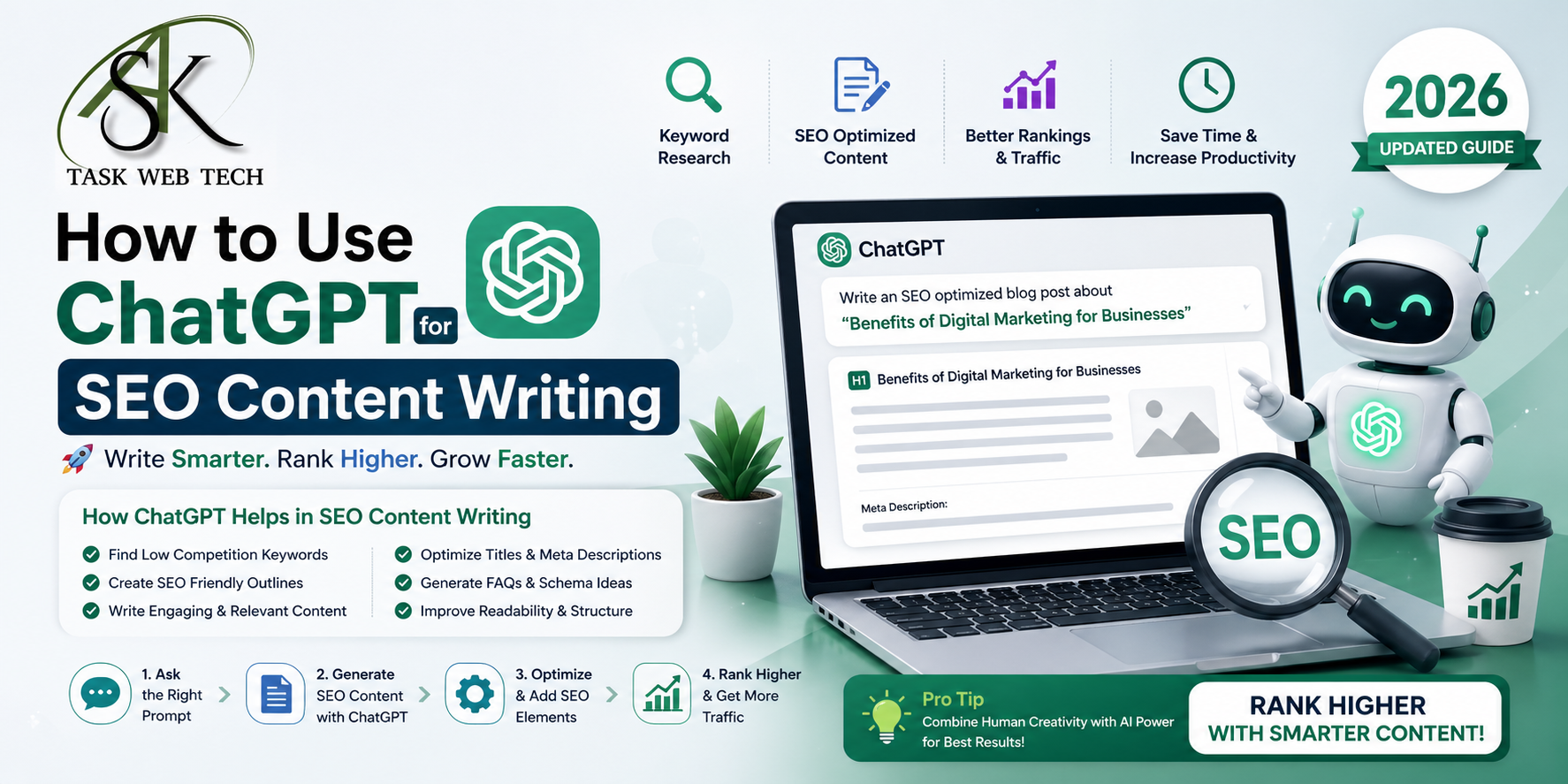
The rise of AI-generated content has sparked a major shift across the digital publishing world, but one trend is now dominating conversations among bloggers, marketers, and media companies alike: ChatGPT SEO article writing. What started as a simple AI assistant has quickly evolved into a powerful publishing tool capable of creating high-ranking, engaging, and fast-moving content for millions of websites. From small niche blogs to major news platforms in the United States, publishers are racing to understand how AI-powered writing can increase traffic, reduce costs, and dominate Google Discover before competitors catch up.
At the same time, experts warn that the future of search is changing faster than most creators realize. Traditional SEO methods are no longer enough on their own. Readers want emotionally engaging stories, fast answers, and mobile-friendly experiences. That is exactly why ChatGPT SEO article writing has become one of the hottest digital publishing trends of 2026, especially among creators searching for better visibility in Google Search and Discover feeds.
Table of Contents
Why ChatGPT SEO Article Writing Is Trending Across the United States
The explosive growth of AI content tools has transformed how online publishers create articles. In recent months, ChatGPT SEO article writing has become a breakout trend because it combines speed, scalability, and optimization in ways traditional writing methods often cannot match. Digital marketers are now using AI to publish multiple articles daily while maintaining strong readability and keyword performance.
Another reason behind the trend is Google Discover itself. Websites that publish emotionally engaging, timely, and mobile-optimized stories often receive sudden traffic spikes. Because of this, creators are experimenting with AI-generated content that captures attention quickly. Industry analysts estimate that thousands of new blogs in the United States are now using AI-assisted publishing strategies to compete in crowded niches such as entertainment, technology, celebrity news, finance, and lifestyle reporting.
How AI-Powered Content Is Changing SEO Strategies
Search engine optimization has evolved dramatically over the last few years. Older SEO practices focused heavily on keyword stuffing and backlink quantity. Today, search algorithms reward relevance, reader engagement, content freshness, and user experience. This shift explains why ChatGPT SEO article writing has gained serious momentum among content creators looking to adapt to modern ranking systems.
AI writing tools can analyze search intent faster than manual research alone. They help publishers structure content clearly, create conversational headlines, and naturally insert related keywords. More importantly, they allow creators to react quickly to trending news topics before competitors do. For publishers targeting Google Discover traffic, timing matters almost as much as quality. Fast publication combined with engaging storytelling can dramatically increase visibility across mobile feeds.
The Growing Role of Google Discover in AI Content Publishing
Google Discover has become a major traffic source for many publishers in the United States. Unlike traditional search, Discover pushes articles directly to users based on interests, browsing behavior, and trending topics. Because of this system, emotionally driven headlines and curiosity-focused introductions perform especially well.
This environment has created the perfect opportunity for ChatGPT SEO article writing to thrive. AI tools can quickly generate attention-grabbing intros, optimize article flow, and improve readability for mobile audiences. Many publishers now prioritize Discover-friendly formatting, including shorter paragraphs, stronger emotional hooks, and faster-loading pages. As competition increases, creators are focusing less on robotic SEO tactics and more on storytelling techniques that keep readers scrolling longer.
Why Publishers Are Investing in AI Writing Tools
Media companies and independent bloggers are increasingly investing in AI content systems because of the financial advantages. Traditional article production often requires researchers, writers, editors, and SEO specialists working together. AI dramatically reduces production time, allowing teams to scale content operations without expanding budgets.
For small publishers, ChatGPT SEO article writing offers a way to compete against larger media brands. Instead of spending hours brainstorming headlines or organizing article structures, creators can generate drafts within minutes and focus on editing, originality, and strategy. This efficiency has become especially valuable in competitive news environments where being first can significantly impact search rankings and Discover exposure.
Human Creativity Still Matters in SEO Content
Despite the growing popularity of AI-generated articles, industry experts continue emphasizing the importance of human editing and storytelling. Readers can often detect low-quality automated content that lacks emotion, personality, or depth. Successful publishers are not simply copying AI outputs. Instead, they are combining AI efficiency with authentic human creativity.
This hybrid approach is becoming the gold standard for ChatGPT SEO article writing. Skilled editors refine AI-generated drafts, add emotional depth, verify facts, and improve narrative flow. Many high-performing websites now use AI for structure and research assistance while relying on human writers to create unique angles and stronger audience connections. As algorithms become smarter, originality and trustworthiness are expected to matter even more.
The Impact of AI Writing on Digital Marketing Careers
The rapid rise of AI-powered publishing is also reshaping digital marketing careers. SEO specialists, freelance writers, and content strategists are being forced to adapt quickly to new workflows. Instead of fearing AI replacement, many professionals are learning how to use these tools strategically to increase productivity and improve campaign performance.
Experts predict that future content jobs will focus more on editing, strategy, audience psychology, and brand storytelling rather than basic article drafting. Because of this shift, understanding ChatGPT SEO article writing is becoming an essential skill for marketers entering the industry. Businesses increasingly want professionals who can manage AI workflows while maintaining high-quality editorial standards and ethical publishing practices.
Concerns About AI Content Quality and Search Rankings
Not everyone is fully convinced that AI-generated publishing is entirely positive. Some SEO experts worry that the internet could become flooded with repetitive and low-value content created solely for rankings. Google has repeatedly stated that content quality matters more than how content is produced, but spammy AI practices continue raising concerns within the publishing industry.
There are also fears about misinformation, lack of originality, and declining trust in online articles. Publishers relying too heavily on automation risk damaging their reputation if articles contain inaccurate claims or weak storytelling. This is why successful ChatGPT SEO article writing strategies usually include fact-checking, editorial oversight, and strong audience-focused writing principles. The future likely belongs to creators who balance speed with credibility.
Future Predictions for AI SEO Content in 2026 and Beyond
Industry analysts believe AI-assisted publishing will become even more advanced over the next few years. Future systems may personalize articles based on reader interests, predict trending topics before they explode, and optimize content performance in real time. This could completely transform how publishers approach digital journalism and online marketing.
At the same time, competition for visibility will become far more intense. As more creators adopt ChatGPT SEO article writing, simple AI-generated content may no longer stand out. Publishers who succeed will likely be those who combine data-driven SEO strategies with emotional storytelling, visual engagement, and authentic brand voices. The future of content creation appears less about replacing humans and more about amplifying creativity through intelligent tools.
Why Readers Are Responding to AI-Enhanced Articles
One surprising trend is how audiences are increasingly engaging with AI-assisted content when it feels natural and useful. Readers care less about whether AI helped create an article and more about whether the content answers questions, entertains them, or provides valuable insights. Mobile readers especially prefer fast, readable articles that avoid unnecessary complexity.
This shift explains why conversational writing styles are becoming more dominant online. ChatGPT SEO article writing often performs well because it naturally supports shorter sentences, cleaner formatting, and stronger readability scores. In an era where attention spans are shrinking, content that feels accessible and emotionally engaging tends to outperform overly technical or outdated SEO writing methods.
The Competitive Battle for Search Visibility Is Intensifying
The race for online visibility has entered a new era. Publishers across the United States are now competing not only with each other but also with rapidly evolving AI technologies. Search rankings, Google Discover placement, and social media visibility increasingly depend on speed, engagement, and publishing consistency.
Because of these pressures, ChatGPT SEO article writing has become more than a temporary trend. It is evolving into a core strategy for digital publishing success. Businesses that ignore AI-assisted workflows risk falling behind competitors that can publish faster, optimize smarter, and respond instantly to trending topics. Yet long-term success will still depend on trust, originality, and audience loyalty.
Final Thoughts on the Future of AI SEO Publishing
The digital publishing industry is changing at remarkable speed, and ChatGPT SEO article writing sits at the center of that transformation. AI-powered tools are helping creators produce content faster, reach wider audiences, and compete more effectively in Google Search and Discover. At the same time, the demand for authenticity, emotional storytelling, and trustworthy reporting remains stronger than ever.
As AI continues reshaping online publishing, creators who adapt strategically may unlock massive growth opportunities in the years ahead. Whether you are a blogger, marketer, freelancer, or media entrepreneur, understanding how AI and SEO work together could become one of the most valuable skills in modern digital publishing. Stay informed, experiment with new strategies, and watch closely because the next major shift in online content may already be happening right now.