In a year marked by layoffs, rising living costs, and uncertainty around traditional careers, millions of Americans are quietly turning toward one powerful solution: startup ideas low investment entrepreneurs can launch from home. What once sounded like a backup plan is now becoming a serious movement. From stay-at-home parents to college graduates and former tech workers, people across the United States are building small businesses with almost no upfront capital — and some are already earning more than their old salaries.
The biggest surprise is not just how fast this trend is growing, but how accessible it has become. Social media, AI tools, remote work culture, and low-cost digital platforms have completely changed the startup landscape. Today, someone with a laptop, internet connection, and a strong idea can launch a business in days instead of months. As search interest for startup ideas low investment continues to surge online, experts believe this could reshape the future of entrepreneurship in America.
Table of Contents
Why Low Investment Startups Are Exploding in 2026
Economic pressure is pushing more people toward flexible income streams. Inflation continues to impact household budgets, and many workers no longer trust traditional job security. That shift has created a wave of interest around affordable business opportunities that require minimal financial risk. According to several entrepreneurship reports, side hustles and micro-businesses are growing faster than traditional startups because people prefer starting small before making major investments.
Another major reason behind the trend is technology accessibility. Artificial intelligence tools, website builders, e-commerce platforms, and social media marketing apps now allow beginners to compete with larger companies. Entrepreneurs no longer need office space, large teams, or expensive advertising campaigns to get started. Instead, they can build brands from bedrooms, coffee shops, or shared workspaces. This is why startup ideas low investment searches have climbed dramatically among Gen Z and millennials in the United States.
The Rise of AI-Powered Micro Businesses
Artificial intelligence has become one of the biggest game changers for modern entrepreneurs. Small business owners are using AI to create logos, generate content, automate customer support, and even build marketing campaigns. Tasks that once required professional agencies can now be handled with affordable software subscriptions. This trend is making startup ideas low investment more realistic than ever before.
AI-driven services are especially popular because they require little physical inventory. Freelancers are launching businesses focused on AI content writing, automated social media management, voiceover creation, and chatbot setup services. Many of these businesses start with less than $200 in total costs. Experts predict that AI-enabled entrepreneurship will continue expanding rapidly over the next five years as tools become cheaper and easier to use.
Online Service Businesses Are Dominating the Market
Digital service businesses are among the fastest-growing low-cost startup models in America. Unlike traditional retail stores, online service companies avoid expensive overhead costs such as rent and inventory. Entrepreneurs are finding success in areas like virtual assistance, graphic design, SEO consulting, online tutoring, and video editing. These businesses can often be started using existing skills and free online tools.
One reason these businesses are thriving is the rise of remote work culture. Companies are increasingly outsourcing tasks to freelancers and small agencies instead of hiring full-time employees. This creates huge opportunities for solo entrepreneurs looking for startup ideas low investment that can scale over time. Even small niche services are attracting loyal clients because businesses now prioritize flexibility and specialized expertise.
Social Media Is Creating Instant Business Opportunities
Platforms like TikTok, Instagram, YouTube, and Pinterest are no longer just entertainment apps. They have become powerful business ecosystems where ordinary people can build brands quickly. Many entrepreneurs are using short-form video content to market products, share expertise, and attract customers without paying for expensive advertising campaigns.
The creator economy is also opening doors for affiliate marketing and digital product sales. People are earning money by promoting software tools, creating online courses, or selling templates and guides. These business models fit perfectly into the startup ideas low investment category because they require little upfront spending. In some cases, creators are turning viral videos into six-figure businesses within months, proving how fast digital entrepreneurship can grow in today’s economy.
E-Commerce Without Inventory Is Becoming Mainstream
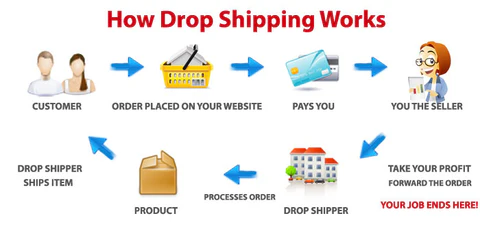
One of the biggest misconceptions about entrepreneurship is the belief that large inventory investments are necessary. In reality, dropshipping, print-on-demand, and third-party fulfillment models are allowing entrepreneurs to run e-commerce businesses without stocking products themselves. This shift is lowering the financial barriers that once prevented many Americans from starting online stores.
Print-on-demand businesses are particularly popular among beginners. Entrepreneurs design graphics for shirts, mugs, phone cases, and accessories, while third-party suppliers handle production and shipping. Similarly, dropshipping lets store owners sell trending products without warehousing inventory. Because of these systems, startup ideas low investment are becoming more scalable and less risky for first-time founders.
Home-Based Food and Local Businesses Are Returning
While digital businesses dominate headlines, local community-based startups are also making a comeback. Americans are increasingly supporting small neighborhood businesses instead of major corporations. This has created opportunities for affordable home-based food services, mobile car washing businesses, pet care services, cleaning companies, and personalized event planning.
Many entrepreneurs are combining social media marketing with local services to attract customers quickly. A small homemade dessert business, for example, can gain massive visibility through viral TikTok videos or local Facebook groups. Experts say local entrepreneurship is benefiting from consumers who want authentic experiences and personalized customer service rather than mass-produced corporate offerings.
Young Americans Are Redefining Entrepreneurial Success
Gen Z entrepreneurs are changing the definition of success in business. Instead of focusing only on billion-dollar startups, many younger founders are prioritizing freedom, flexibility, and lifestyle balance. They want businesses that support remote work, travel, and personal independence rather than traditional corporate structures.
This mindset is driving the popularity of startup ideas low investment because younger entrepreneurs often avoid taking on large debt. They prefer lean business models that generate steady income without massive financial pressure. Surveys show that many Gen Z founders are more interested in sustainable side hustles than building large companies immediately. This approach allows them to experiment with multiple income streams while minimizing risk.
Experts Warn That Competition Is Increasing Fast
Although opportunities are expanding, experts warn that competition is also becoming more intense. Because entry barriers are lower, many industries are becoming crowded quickly. New entrepreneurs who rely on generic ideas may struggle to stand out in saturated markets. This is especially true in areas like dropshipping, affiliate marketing, and basic freelancing services.
Business strategists recommend focusing on niche audiences and strong branding. Instead of copying viral trends directly, successful founders often solve specific customer problems or target underserved communities. Personal storytelling, authenticity, and trust-building are becoming essential factors in long-term business growth. In today’s market, startup ideas low investment succeed best when paired with creativity and consistent execution.
Future Predictions Point Toward a Massive Startup Shift
Analysts believe America could see one of the largest waves of small business creation in decades. Advances in AI, automation, and remote technology are expected to make entrepreneurship even more accessible in the coming years. Many experts predict that traditional employment structures will continue evolving as more workers pursue independent income sources.
There is also growing evidence that small digital-first businesses may outperform older startup models in certain sectors. Lower operating costs, flexible structures, and direct online audiences give modern entrepreneurs significant advantages. As consumer habits continue shifting toward personalized brands and digital services, startup ideas low investment are expected to remain one of the hottest business trends in the United States throughout 2026 and beyond.
The Biggest Opportunity May Still Be Ahead
For many Americans, the startup boom is no longer just about making extra money. It represents a deeper cultural shift toward independence, creativity, and financial control. People who once felt locked into traditional career paths are discovering that small businesses can offer freedom and long-term opportunity without massive startup capital.
The next generation of successful companies may not begin in Silicon Valley offices or billion-dollar incubators. They may start in apartments, garages, and small-town homes with ordinary people willing to test affordable ideas in a digital-first world. If current trends continue, startup ideas low investment could become the foundation of a completely new era of American entrepreneurship.
The question now is no longer whether low-cost startups can succeed. The real question is which idea will become the next breakout success story. If you have been waiting for the perfect moment to start, this rapidly growing movement may be your strongest signal yet to take action.