Families across the world are watching every grocery bill, fuel receipt, and monthly payment more closely than ever. Now, the latest uk inflation update simple guide 2026 is creating fresh debate after economists warned that prices in the United Kingdom may stay higher for longer than many people expected. What began as a temporary post-pandemic problem has evolved into a major financial story affecting global markets, travel, investments, and consumer confidence in 2026.
For American readers, this matters more than it seems. The UK economy often reflects broader global financial shifts before they fully hit other regions. Rising living costs, changing interest rates, and pressure on wages are now shaping everything from international trade to tourism spending. The newest uk inflation update simple guide 2026 explains why experts believe inflation may cool slowly instead of crashing quickly, and why millions are preparing for another uncertain financial year.
Table of Contents
Why UK Inflation Is Still Making Headlines in 2026
The biggest surprise in the uk inflation update simple guide 2026 is that inflation has remained stubborn despite aggressive action from central banks. Many economists predicted prices would stabilize much faster after the sharp inflation spikes of previous years. Instead, housing costs, food prices, transportation expenses, and energy bills continue to pressure household budgets across Britain.
Several reports released this year suggest inflation is no longer driven by one single issue. Instead, experts say the economy is facing overlapping pressures. Global shipping disruptions, ongoing geopolitical tensions, wage increases, and higher borrowing costs are all contributing to a complicated economic environment. Financial analysts believe this layered pressure explains why inflation trends remain unpredictable in 2026.
The UK government has also faced criticism over how quickly relief measures reached ordinary citizens. While some tax adjustments and energy support programs helped temporarily, many families say their monthly costs remain significantly higher than they were just two years ago. This frustration has become a major political issue as public concern over affordability continues to grow.
At the same time, consumer behavior is changing rapidly. Retail analysts report that shoppers are now prioritizing essential spending while cutting back on luxury purchases. Restaurants, travel businesses, and entertainment sectors are noticing more cautious spending habits, signaling that inflation fears are influencing everyday decisions far beyond utility bills.
The Main Reasons Prices Keep Rising
One major factor highlighted in the uk inflation update simple guide 2026 is the continued rise in food prices. Extreme weather conditions in several agricultural regions disrupted crop production, pushing grocery costs higher across Europe. Imported goods also became more expensive due to transportation and supply chain costs that never fully returned to pre-crisis levels.
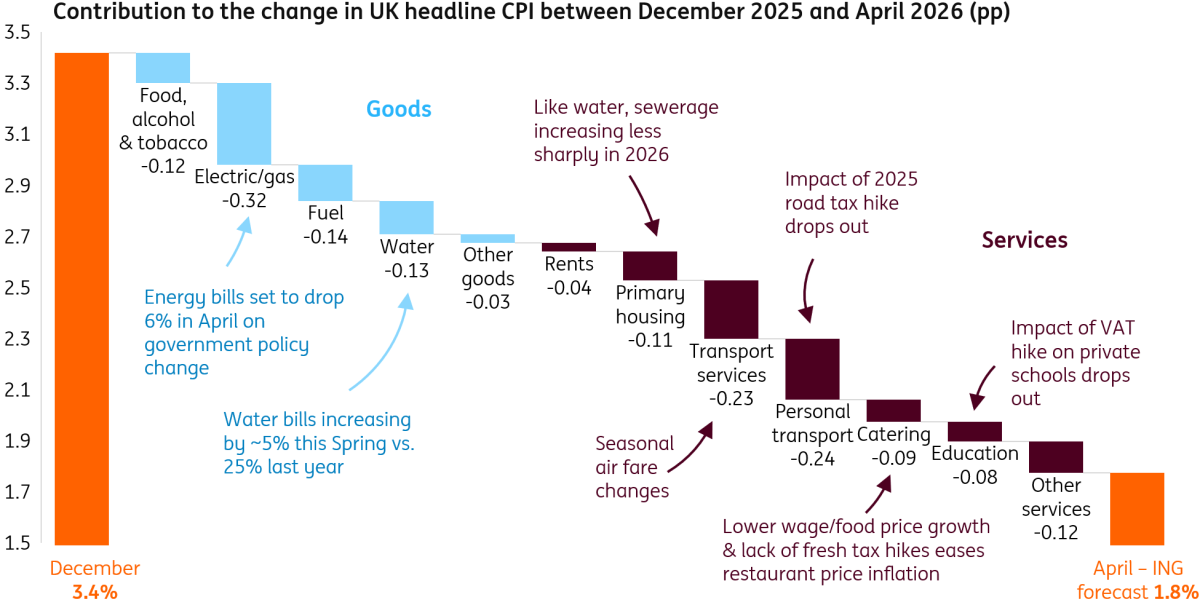
Energy prices remain another important driver. Although global fuel prices cooled compared to earlier peaks, electricity and heating bills in the UK are still elevated. Many providers locked in higher long-term contracts during previous market volatility, which continues affecting consumers in 2026. Analysts say energy instability remains one of the biggest threats to inflation recovery.
Housing expenses are also creating pressure. Mortgage rates increased sharply after interest rate hikes from the Bank of England, leaving homeowners with larger monthly payments. Rent prices have climbed as well because demand continues outpacing available housing supply in many cities. Young professionals and middle-income families are reportedly feeling the strongest impact from rising housing costs.
Labor market shifts are adding another layer to the situation. Businesses raised wages to attract workers during labor shortages, but those higher wage costs are now being passed on to consumers through more expensive products and services. Economists describe this cycle as one of the most difficult inflation patterns to break because companies rarely reduce prices quickly once operational costs increase.
How the Bank of England Is Responding
The Bank of England has become central to every uk inflation update simple guide 2026 discussion. Policymakers continue balancing two difficult goals: slowing inflation without damaging economic growth. Interest rate decisions remain closely watched because even small changes can influence mortgages, loans, savings accounts, and business investments across the country.
Higher interest rates were designed to reduce consumer spending and cool demand in the economy. While this strategy helped slow inflation growth compared to earlier highs, experts warn that the impact takes time. Some economists believe the UK may experience slower economic growth before inflation finally returns closer to normal levels.
Financial markets react strongly whenever the Bank of England releases new forecasts. Investors carefully study every statement for hints about future rate increases or potential cuts. These reactions affect currency values, stock markets, and international trade confidence, making inflation reports influential far beyond the UK itself.
Critics argue that central banks worldwide may have underestimated how persistent inflation would become after global supply chain disruptions and labor shortages. Supporters, however, say aggressive interest rate action prevented inflation from becoming even worse. The debate continues as experts search for signs that long-term price stability is finally approaching.
How Inflation Is Affecting Everyday Families
For millions of households, the uk inflation update simple guide 2026 is more than an economic headline. It directly impacts daily routines and financial planning. Grocery shopping has become noticeably more expensive, with many consumers reporting smaller purchases and increased reliance on discount stores to stretch monthly budgets.
Transportation costs are also reshaping behavior. Higher fuel prices and public transport fare increases have encouraged more remote work and reduced discretionary travel. Families are planning vacations more carefully, while businesses are cutting unnecessary travel expenses to manage operational costs.
Savings habits have changed significantly as well. Many people are focusing on emergency funds instead of large purchases. Financial advisers report growing interest in budgeting tools, debt management strategies, and fixed-rate savings products as consumers seek more control during uncertain economic conditions.
Mental stress linked to inflation is another growing concern. Surveys show rising financial anxiety among middle-income earners who previously felt economically stable. Experts warn that long-term inflation can affect consumer confidence, productivity, and overall quality of life if wage growth fails to keep pace with rising expenses.
What This Means for the United States
Although the focus remains on Britain, the uk inflation update simple guide 2026 also carries important signals for the United States. Economists often compare inflation trends across major Western economies because similar pressures frequently emerge globally. Rising service costs, wage growth concerns, and housing affordability issues are already major topics in America as well.
US investors are paying close attention because persistent UK inflation could influence international financial markets. Currency shifts, central bank strategies, and trade relationships between major economies often create ripple effects worldwide. A prolonged inflation struggle in Britain may increase caution among global investors and policymakers.
American travelers visiting Europe are also feeling the impact. Higher prices for accommodations, dining, and transportation in the UK have made trips more expensive than many expected. Tourism industry analysts predict travelers will increasingly compare destination costs before planning international vacations in 2026.
Business leaders in the United States are studying UK inflation patterns as a warning sign. Companies are adjusting pricing strategies, staffing plans, and investment decisions based on fears that inflation pressures may remain globally persistent longer than previously forecasted.
Experts Predict a Slow Recovery Ahead
One of the clearest themes in the uk inflation update simple guide 2026 is that economists expect a gradual recovery instead of a rapid turnaround. While inflation rates may continue easing slowly throughout the year, experts warn that prices are unlikely to return to older levels consumers once considered normal.
Some analysts believe technological innovation and improving supply chains could eventually reduce pressure on goods and services. Automation, artificial intelligence, and stronger logistics networks may help businesses operate more efficiently in the coming years. However, those benefits may take time to fully reach consumers.
Energy markets remain one of the biggest uncertainties. Any new geopolitical conflict or major supply disruption could quickly push fuel prices higher again. Because energy influences transportation, manufacturing, and household costs, future volatility could delay inflation recovery even further.
Despite these concerns, economists still see reasons for cautious optimism. Wage growth has improved in several sectors, unemployment rates remain relatively stable, and consumer spending has not collapsed completely. Many experts believe the global economy is adapting slowly to a new financial environment rather than entering a severe crisis.
The Growing Shift Toward Smarter Spending
The uk inflation update simple guide 2026 also highlights a major cultural change in spending habits. Consumers are becoming more price-conscious and strategic about purchases. Subscription cancellations, discount hunting, cashback apps, and secondhand shopping have become increasingly common across different income groups.
Retail companies are responding quickly to these behavioral shifts. Many brands now emphasize affordability, flexible payment options, and value-focused marketing campaigns. Budget supermarket chains and discount retailers have reported stronger customer traffic compared to premium brands during recent quarters.
Technology is helping consumers adapt faster than in previous inflation cycles. Mobile budgeting apps, AI-powered financial planning tools, and online price comparison platforms are giving households more control over spending decisions. Experts believe digital financial management will become even more important in the future economy.
This shift may permanently reshape consumer culture even after inflation eventually stabilizes. Analysts predict people who learned stricter budgeting habits during the inflation surge may continue prioritizing savings and financial security long-term, influencing global retail and spending trends for years ahead.
Why 2026 Could Become a Turning Point
The latest uk inflation update simple guide 2026 suggests this year may become a critical turning point for the global economy. Governments, businesses, and consumers are all adjusting strategies after realizing inflation may not disappear quickly. The decisions made now could influence economic stability for the rest of the decade.
Economic historians often note that periods of high inflation reshape societies in lasting ways. Consumer priorities change, political debates intensify, and financial systems evolve as countries adapt to new realities. Many experts believe 2026 could mark the beginning of a more cautious and financially disciplined era worldwide.
For readers trying to understand the bigger picture, the key lesson is simple: inflation is no longer just an abstract financial term discussed by economists. It affects jobs, savings, travel, housing, healthcare, and everyday choices in powerful ways. Staying informed about economic trends may become one of the most valuable financial habits people develop this decade.
As new reports continue emerging throughout the year, millions will keep watching for signs of relief. If you want to stay ahead of changing economic trends, monitor inflation updates closely, follow financial developments regularly, and prepare smart money strategies before the next major shift reshapes the global economy again.