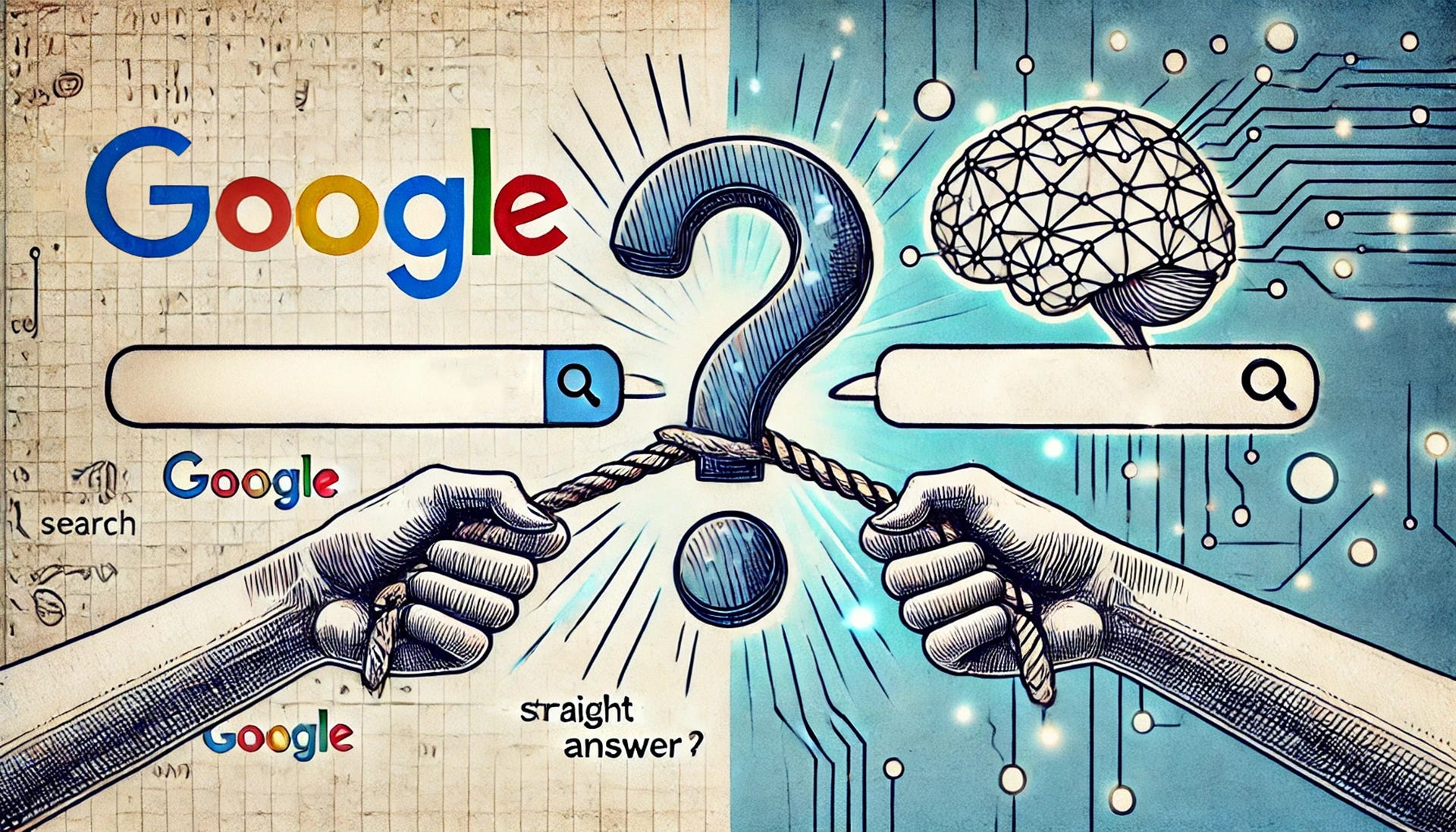
The way people search for information is changing faster than anyone expected. In the United States, users are no longer typing simple keywords and scrolling through endless links. Instead, they are getting direct, conversational answers that feel almost human. This shift is creating excitement, confusion, and even fear among digital marketers and publishers. At the center of this transformation is Google AI search, a technology that is quietly reshaping how knowledge is discovered, consumed, and trusted online. What once felt like science fiction is now becoming everyday reality for millions of users across devices.
As this evolution accelerates, many are asking a critical question: is traditional search dying or simply evolving into something more powerful? Early data suggests that user engagement patterns are shifting dramatically, with faster answers and reduced browsing time. The rise of AI-powered systems, semantic understanding, and real-time response generation is pushing the internet into a new era. And at the heart of this change, Google AI search is emerging as the dominant force redefining how Americans interact with information online.
Table of Contents
The Rise of Google AI search in the US
Across the United States, the adoption of Google AI search is accelerating at a remarkable pace. Users are increasingly relying on AI-driven summaries instead of browsing multiple websites. This change is being fueled by advancements in machine learning algorithms, conversational interfaces, and improved natural language processing systems. As a result, search engines are no longer just indexing pages—they are interpreting intent, context, and meaning in real time.
Industry reports indicate that more than half of daily informational queries in some regions are now influenced by AI-generated responses. This rapid shift is pushing businesses to rethink how they appear in search results. With Google AI search, the emphasis is no longer just on ranking links but on providing direct, accurate, and context-rich answers. This evolution is reshaping the digital ecosystem and redefining competition across industries.
How Google AI search Is Changing User Behavior
User behavior in the digital space is undergoing a dramatic transformation thanks to Google AI search. Instead of clicking through multiple websites, users now expect instant answers that summarize complex topics in seconds. This shift is reducing traditional browsing time while increasing reliance on AI-generated insights. People are asking longer, more conversational questions, signaling a major change in how search intent is expressed online.
Another significant impact is the growing expectation for personalized results. Google AI search uses advanced data interpretation and semantic search techniques to tailor responses based on context and previous interactions. This is creating a more intuitive experience where users feel understood by the system. As a result, engagement patterns are becoming more dynamic, with users interacting more deeply with search engines than ever before.
Impact on SEO and Digital Marketing Strategies
The rise of Google AI search is forcing a complete overhaul of search engine optimization strategies. Traditional keyword stuffing and backlink-heavy approaches are losing effectiveness as AI prioritizes relevance, authority, and user intent. Marketers are now focusing on content quality, topical depth, and semantic relevance to stay visible in AI-driven results.
Digital marketers are also adapting to new LSI keywords such as AI-powered search, conversational search, generative AI, semantic search, and digital transformation. With Google AI search, the goal is no longer just ranking on page one but becoming part of AI-generated summaries. This shift is creating both challenges and opportunities for brands that can adapt quickly to evolving search engine dynamics.
Technology Behind Google AI search Evolution
The technology powering Google AI search is built on advanced artificial intelligence models, neural networks, and real-time data processing systems. These systems are designed to understand user intent rather than just matching keywords. By using deep learning and knowledge graphs, the search engine can connect related concepts and deliver more meaningful answers.
Another key innovation is the integration of real-time information processing. This allows Google AI search to provide updated responses based on the latest available data. Combined with natural language understanding, this creates a seamless experience where users can ask complex questions and receive structured answers instantly. These innovations are setting a new standard for what search engines can achieve in the modern digital era.
Challenges, Concerns, and Industry Reactions
Despite its advantages, Google AI search is also raising important concerns among publishers, SEO experts, and content creators. One major issue is reduced website traffic, as users increasingly get answers directly from AI summaries without clicking through to source pages. This is creating tension within the digital publishing ecosystem.
There are also concerns about accuracy, bias, and transparency. Since Google AI search relies on algorithmic interpretation, questions remain about how information is selected and presented. Industry experts are calling for clearer guidelines and greater accountability to ensure fair representation of sources. At the same time, tech companies argue that these systems are continuously improving through feedback loops and updated machine learning models.
Future Predictions for Google AI search
The future of Google AI search in the United States looks both powerful and unpredictable. Experts predict that search engines will become fully conversational, allowing users to interact as if they are speaking to a digital assistant. This could eliminate traditional search result pages entirely in some use cases.
In the coming years, Google AI search is expected to integrate even deeper with voice assistants, smart devices, and personalized digital ecosystems. This will create a unified information experience where users receive answers instantly across platforms. As generative AI continues to evolve, search engines may become proactive, offering suggestions before users even complete their queries.
Conclusion
The transformation driven by Google AI search is not just a technological upgrade—it is a fundamental shift in how information is accessed and understood in the digital age. From user behavior changes to SEO disruptions and technological breakthroughs, the impact is already visible across industries.
As this evolution continues, businesses, creators, and users must adapt quickly to stay relevant in an AI-first search environment. The future belongs to those who understand how to align content with intent, context, and intelligent systems. Stay updated, stay adaptive, and explore how Google AI search is reshaping the internet before your eyes.